I DJ as IllWIll and wanted visuals for my sets without learning After Effects. Vizard of Oz sits on both ends of a video-editor workflow.
Create the inputs
Animate permitted photos into AI clips, carve a mix into sections from its real musical structure, score each section with a deterministic real-time shader engine, and render a frame-accurate, mix-length video. Preview equals render, always.
The effect engine
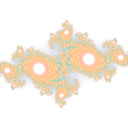
One WebGL über-shader: kaleidoscopes with organic flow, a draggable halo that protects a face while the world folds around it, time echoes and downbeat stamps from a frame-memory ring, fractal worlds painted with your own footage, energy-follow, punch-ins, bar sweeps, clone walls. Every effect is a plain-language card with Off / Low / Med / High; the sliders hide in a fine-tune drawer.
Auto-director
Listens to builds, drops and breakdowns and drafts the whole timeline — sections cut on real transitions, looks chosen by each moment’s role, effect changes inside the drops. One wildness knob. The output is ordinary, editable data.
Money-safe by construction
Without an API key the app runs fully in mock mode at $0. With one, every generation still runs mock unless the request carries an explicit cost confirmation that matches the current estimate. The test suite runs with the network hard-blocked.